25 Sep 2026
Austria's Casino App Ecosystem: Mapping Mobile Integration Patterns Among Licensed Operators
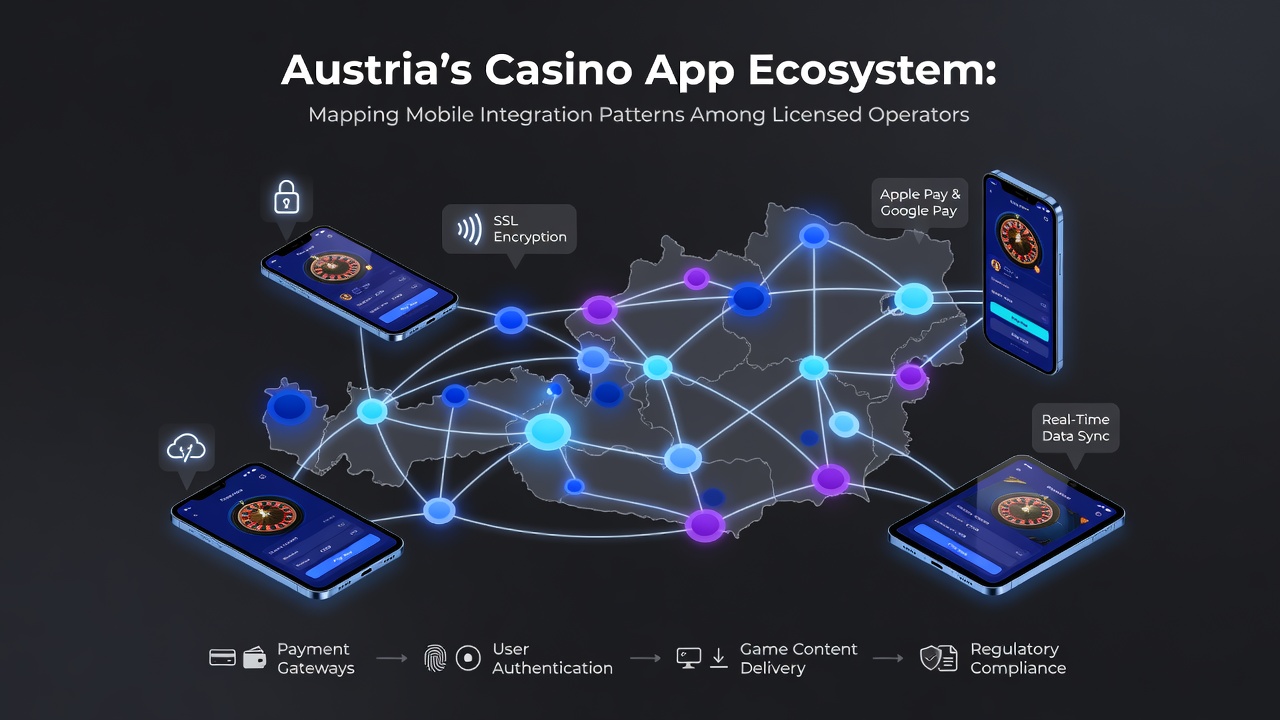
Austria maintains a tightly regulated gambling sector where licensed operators must comply with federal standards that shape every aspect of mobile delivery, from app architecture to backend connectivity. Observers note that these operators increasingly rely on standardized integration patterns to meet both technical and compliance requirements while serving users across smartphones and tablets.
Regulatory Framework Guiding Mobile Development
Licensed entities operate under oversight from Austrian authorities that specify security protocols, data handling procedures, and age verification mechanisms for all digital platforms. Research indicates these rules extend directly to mobile applications, requiring encrypted transactions and real-time monitoring tools that operators embed during the development phase. Data from industry reports shows operators often synchronize their apps with central regulatory databases to ensure continuous compliance checks occur without disrupting gameplay sessions.
Common Integration Patterns Across Licensed Apps
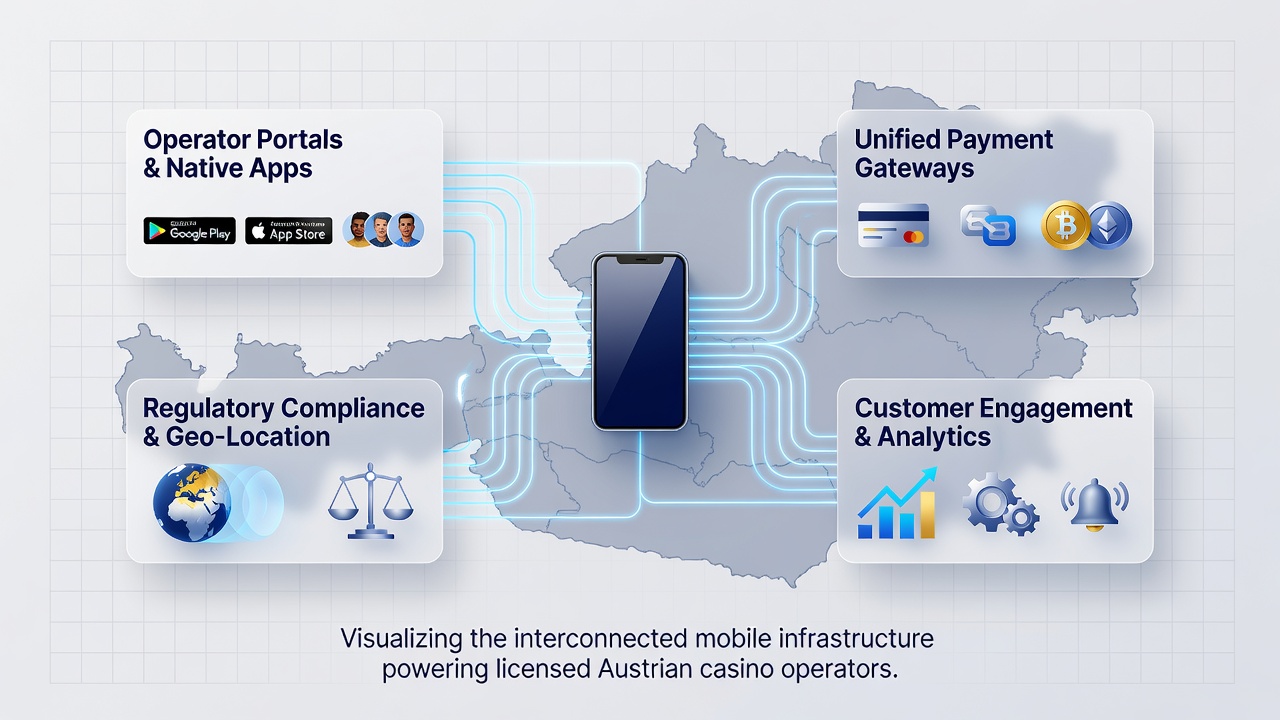
Patterns emerge around native application builds versus progressive web approaches, with most operators favoring hybrid frameworks that allow rapid updates across iOS and Android environments. Those who've examined deployment trends find frequent use of modular APIs that connect front-end interfaces to secure payment gateways and player account systems, and these connections support seamless deposits while maintaining audit trails. What's interesting is how several operators integrate geofencing technology to enforce location-based access rules, a practice that aligns with broader European digital market guidelines available through European Commission digital strategy resources.
Additional patterns include unified login systems that pull from national identity verification services, reducing friction for returning users. Studies from research institutions reveal that such integrations cut onboarding times by measurable margins across multiple operator platforms, and this efficiency contributes to higher retention metrics reported in operator filings.
Technical Infrastructure and Data Sharing Mechanisms
Backend systems typically feature centralized servers that licensed operators connect through standardized protocols, allowing consistent performance monitoring and rapid response to regulatory queries. Figures reveal that many applications incorporate real-time analytics layers which track user behavior patterns without storing personal identifiers beyond required compliance periods, and this approach satisfies both operational needs and privacy expectations. Observers note that integration with third-party fraud detection services occurs via encrypted channels, a step that has become standard since earlier licensing cycles.
September 2026 marks the scheduled release of updated operator performance data that will detail mobile traffic shares and integration success rates, providing fresh benchmarks for the sector. Those monitoring these releases expect clearer visibility into how operators refine their API connections in response to evolving technical standards.
Security and Compliance Features Embedded in Mobile Platforms
Security layers commonly include device fingerprinting alongside multi-factor authentication flows that operators deploy uniformly across their applications. Research indicates these measures integrate with national gambling exclusion databases, enabling automatic account restrictions when users register for self-exclusion programs. Patterns show that push notification systems also tie into responsible gaming tools, delivering session reminders and limit-setting options directly through the mobile interface.
Operators further align with international benchmarks drawn from Canadian provincial iGaming frameworks, as outlined in reports from the Alcohol and Gaming Commission of Ontario, adapting similar encryption and audit practices to the Austrian context. This cross-regional influence appears in how certain operators structure their data logging modules to support both local and comparative analysis.
Future Developments in App Connectivity
Upcoming licensing renewals will likely emphasize enhanced interoperability standards that allow smoother transitions between desktop and mobile environments. Data patterns suggest continued investment in cloud-based services that reduce latency during peak usage periods, while maintaining full traceability for regulatory review. Experts tracking these shifts highlight the role of modular design in enabling operators to incorporate new payment methods or verification tools without full application rebuilds.
Conclusion
The mapping of mobile integration patterns among Austria's licensed casino operators reveals a system built around compliance-first architecture, standardized APIs, and adaptive security measures. Ongoing data releases through 2026 will continue to illuminate how these patterns evolve in response to regulatory updates and technological advances, offering sustained insight into the operational realities of this regulated ecosystem.